Design basis & loads
Establish codes, client standards, load combinations (dead, live, wind, seismic, equipment, thermal) and interface requirements with civil, mechanical and process teams.
Structural engineering turns loads, materials and geometry into safe, buildable structures. Nunese delivers analysis and design for mining, ports, refineries and heavy industry — steel and concrete frames, conveyors, silos, bins, pipe racks, equipment supports and remedial upgrades — using 3D modelling and finite element analysis (FEA) so members are sized correctly before steel is ordered or concrete is poured.
Process
Every structure follows a disciplined path from design basis to certified drawings — with analysis validating strength, stability and serviceability before construction.
Establish codes, client standards, load combinations (dead, live, wind, seismic, equipment, thermal) and interface requirements with civil, mechanical and process teams.
Build a structural model in SPACE GASS — define members, releases, supports and loads. Run linear and non-linear analysis to obtain forces, deflections and stability results.
Size steel and concrete members to Australian Standards. Design connections, base plates and embedments. Optimise weight and constructability for site conditions.
Issue framing plans, sections, schedules and details for fabrication and construction. Provide design certificates and engineer sign-off for certifiers and authorities.
Respond to RFIs, review shop drawings, attend key inspections (hold points, welds, bolts, pre-pour) and confirm as-built conditions match the certified design.
Structural engineering is the discipline of designing structures to safely carry applied loads — gravity, wind, earthquake, equipment, thermal effects and impact — without unacceptable deformation or failure. It covers the complete load path from equipment or cladding down through beams, columns, bracing and foundations into the ground.
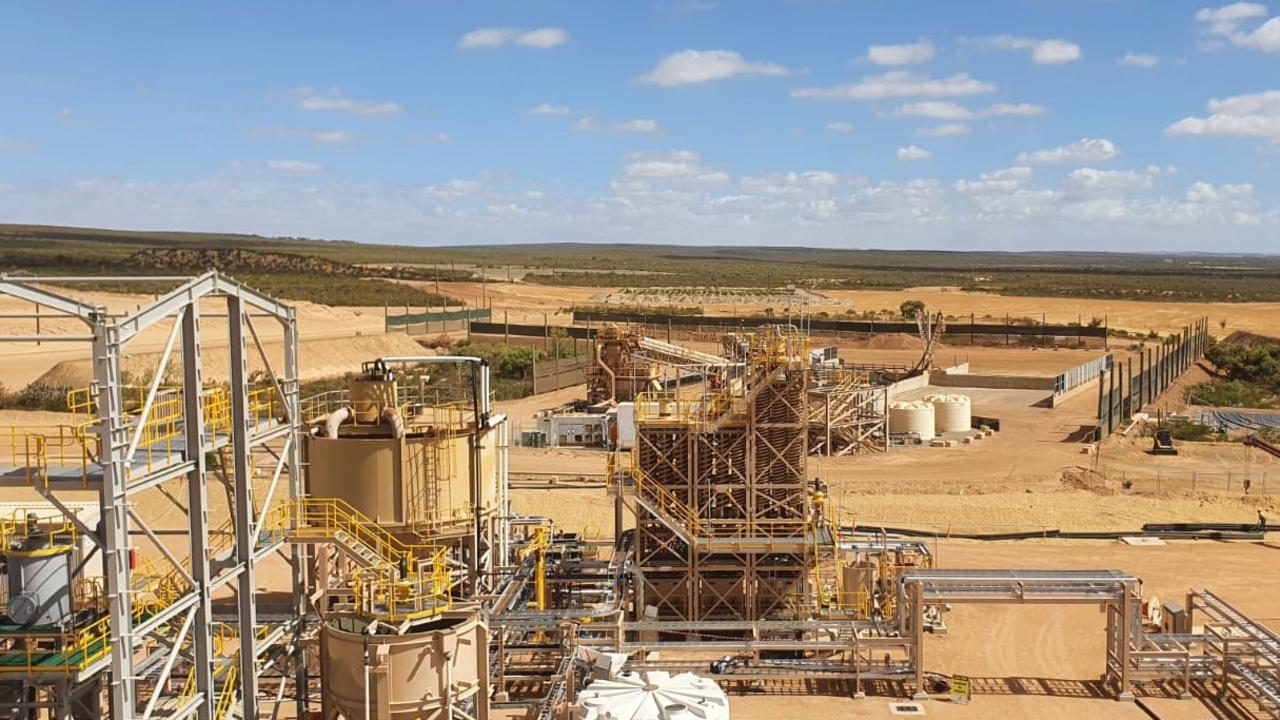
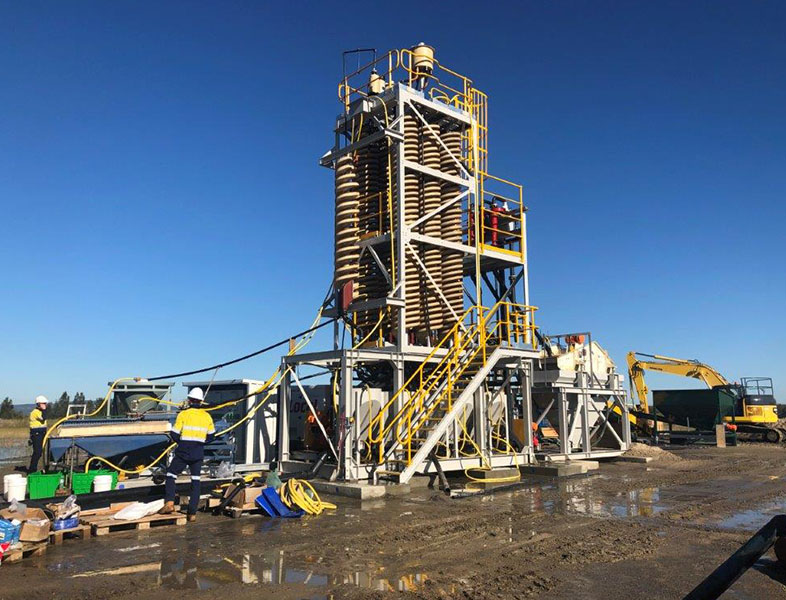
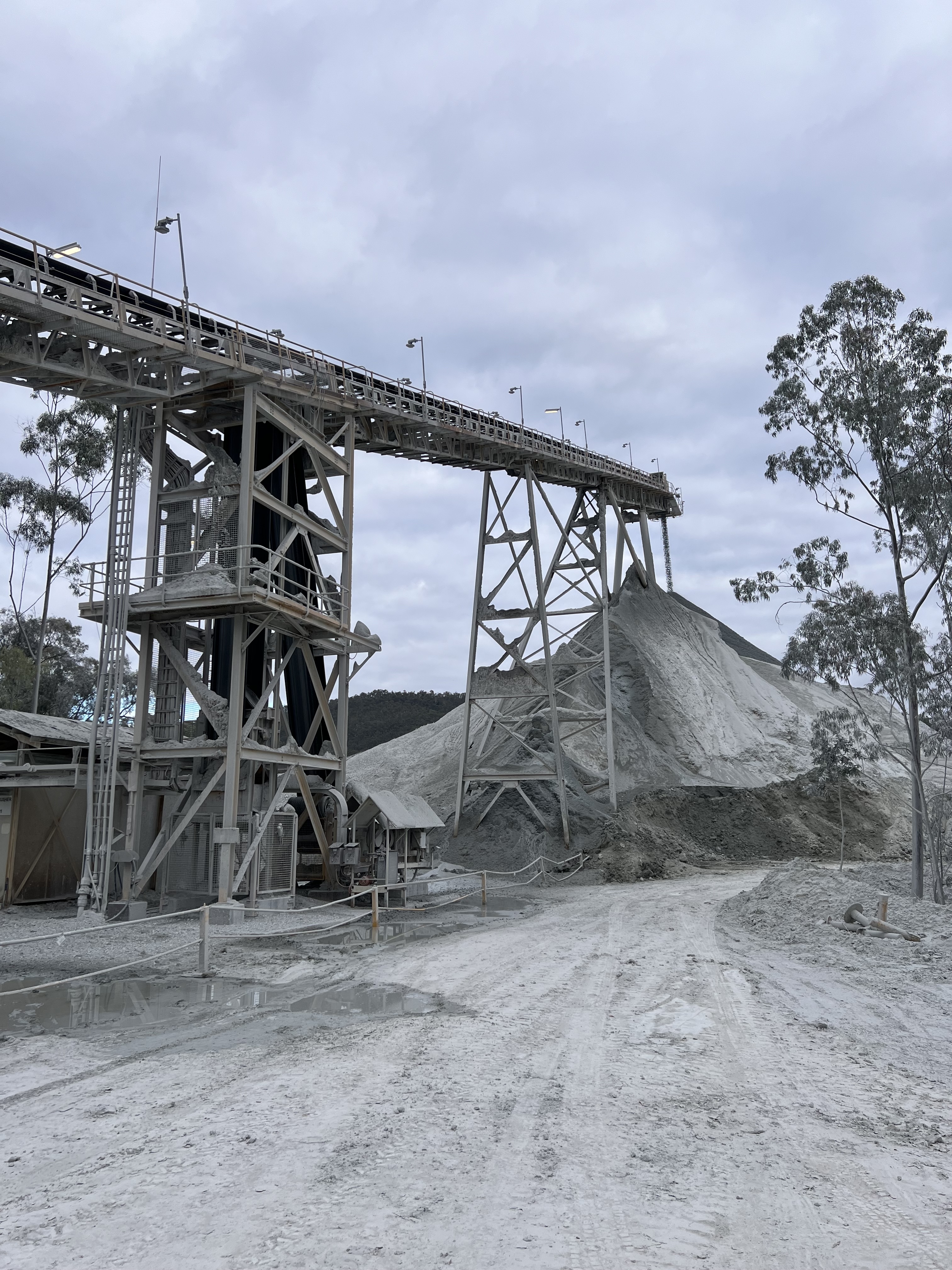
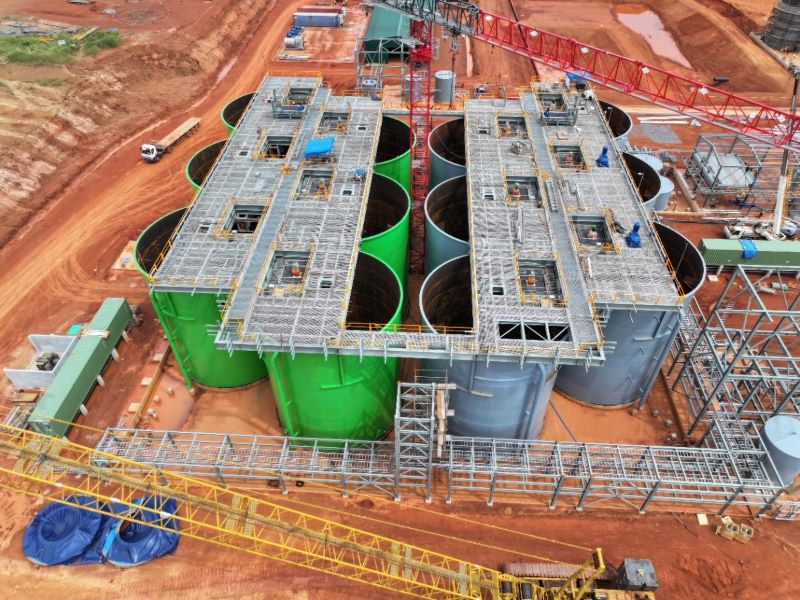
For mining and heavy industry, structural work is rarely a simple building frame. Projects include conveyor galleries spanning between supports, bins and silos with dynamic loads, pipe racks carrying large bore piping, stack and chimney structures, transfer towers, crane and monorail supports, and modular plant skids. Each requires correct load definition, analysis and detailing for fabrication and site erection.
Nunese provides chartered structural engineering (CPEng, NER, RPEQ) with hands-on experience on operating mine sites, ports and processing plants. We combine 3D analysis with practical detailing so designs are certifiable, constructable and maintainable in the field.
Our core structural portfolio aligns with the assets our clients operate every day:
Structural engineering is required whenever new structures are built, existing assets are modified, or compliance and safety demand independent assessment. Typical triggers include:
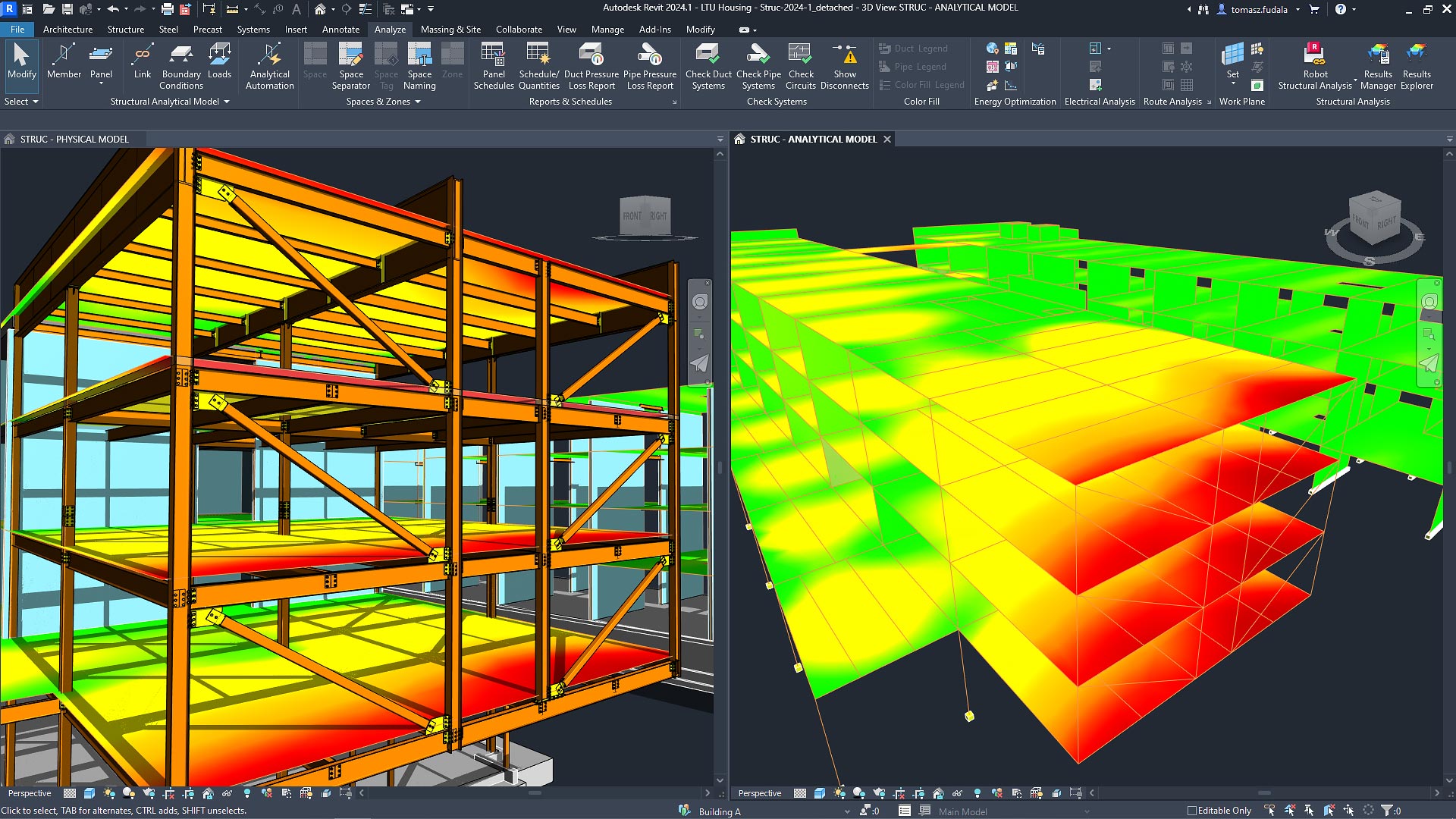
We use modern structural analysis tools to visualise behaviour before build. SPACE GASS provides 3D frame and finite element analysis for complex geometry, bracing systems and non-standard load cases. Analysis outputs — bending moments, axial forces, deflections and reactions — drive member selection and connection design.
Stress contour plots and deflected shape reviews (as shown in advanced analysis software) help identify overstressed members, drift issues and unexpected load paths early. Supplementary hand calculations and specialist workflows (including RAM for building-type structures where appropriate) verify critical elements and connection regions.
Design is executed to applicable Australian Standards including AS/NZS 4100 (steel), AS 3600 (concrete), AS 1170 (loads), AS 1418 (cranes where relevant) and AS 1657 (fixed platforms). Client specifications and international project standards are incorporated where projects demand.
Steel design includes primary and secondary framing, bracing, crane and monorail supports, and connection design — bolted and welded details suitable for workshop fabrication and site bolting. Concrete design covers foundations, pits, equipment plinths, slabs-on-ground and structural walls integrated with geotechnical recommendations.
On operating assets, we deliver structural integrity assessments: condition surveys, load capacity reviews, risk ranking and practical repair methodologies for corrosion, connection distress and member damage. Remedial scopes are staged for shutdown windows and aligned with maintenance access on live sites.
Structural engineering does not sit in isolation. Foundation levels and types follow geotechnical investigation; platform levels follow civil grading; certification requires coordinated drawing sets and design certificates. Nunese delivers civil and structural scope in one team, reducing interface gaps that cause RFIs and site delays.
From concept through construction, we align structural outputs with your EPCM, owner or site team — transmittals, model coordination, hold-point inspections and final as-built records so the structure built matches the structure certified.
Lifecycle
Structural engineering runs from concept and feasibility (member sizing, layout risk) through detailed design, fabrication/issue for construction, and site support during erection and shutdowns.
Concept
Early scoping, options assessment and risk identification to align technical scope with business drivers before major study spend.
Key deliverables
Sectors
View all industry sectors including coal mining, mineral sands, ports, refineries and civil infrastructure.
We use SPACE GASS for 3D structural modelling, frame analysis and finite element analysis. Hand calculations and RAM workflows supplement software output for specific building-type or connection design tasks.
Yes. We deliver new structures and upgrades tied into existing assets, including load assessments, tie-in details, temporary works and constructability reviews for operating mine and industrial sites.
Yes. Materials-handling and process structures are a core capability — including conveyor trusses and galleries, bin and silo supports, pipe racks and equipment platforms with loads coordinated from mechanical and process disciplines.
Yes. Where Queensland registration is required, our Registered Professional Engineer of Queensland (RPEQ) provides design certification on structural deliverables in accordance with project requirements.
Analysis determines internal forces, stresses and deflections in a structural model under defined loads. Design selects member sizes, reinforcement, connections and details so the structure satisfies Australian Standards and client criteria — then documents them on certified drawings.
Yes. We respond to RFIs, review fabrication and erection issues, attend nominated site inspections and support as-built confirmation through to practical completion.
Projects
Case studies where we have delivered structural engineering on mining and heavy-industry sites.
Australia-wide
Location-specific civil and structural engineering for mining, ports, refineries and heavy industry — tailored to each Australian jurisdiction.