Services/Geotechnical Investigations

Engineering Service

Geotechnical Investigations

Geotechnical investigations define what lies beneath your site before you commit to foundations, earthworks or major structures. Nunese specifies and interprets soil testing programmes, delivers foundation recommendations and slope stability input, and coordinates field work with specialist drilling contractors — integrated with our structural and civil design so geotechnical risk is addressed early, not after concrete is poured.

Geotechnical Investigations — civil and structural engineering

Overview

Geotechnical investigations define what lies beneath your site before you commit to foundations, earthworks or major structures. Nunese specifies and interprets soil testing programmes, delivers foundation recommendations and slope stability input, and coordinates field work with specialist drilling contractors — integrated with our structural and civil design so geotechnical risk is addressed early, not after concrete is poured.

What is a geotechnical investigation?

A geotechnical investigation is the structured process of obtaining information on soil, rock and groundwater conditions at a site. The data supports safe and economical design of foundations, earthworks, retaining structures and slopes — and is a standard prerequisite before construction of residential, commercial, industrial or infrastructure projects.

Investigations typically combine a desktop review of geological mapping, historical data and nearby project reports with on-site field work such as borehole drilling, test pits, in-situ testing and laboratory analysis of soil and rock samples. The outcome is a geotechnical report that structural and civil engineers use to select foundation types, design footings and slabs, plan cut-and-fill, and manage groundwater and slope stability risks.

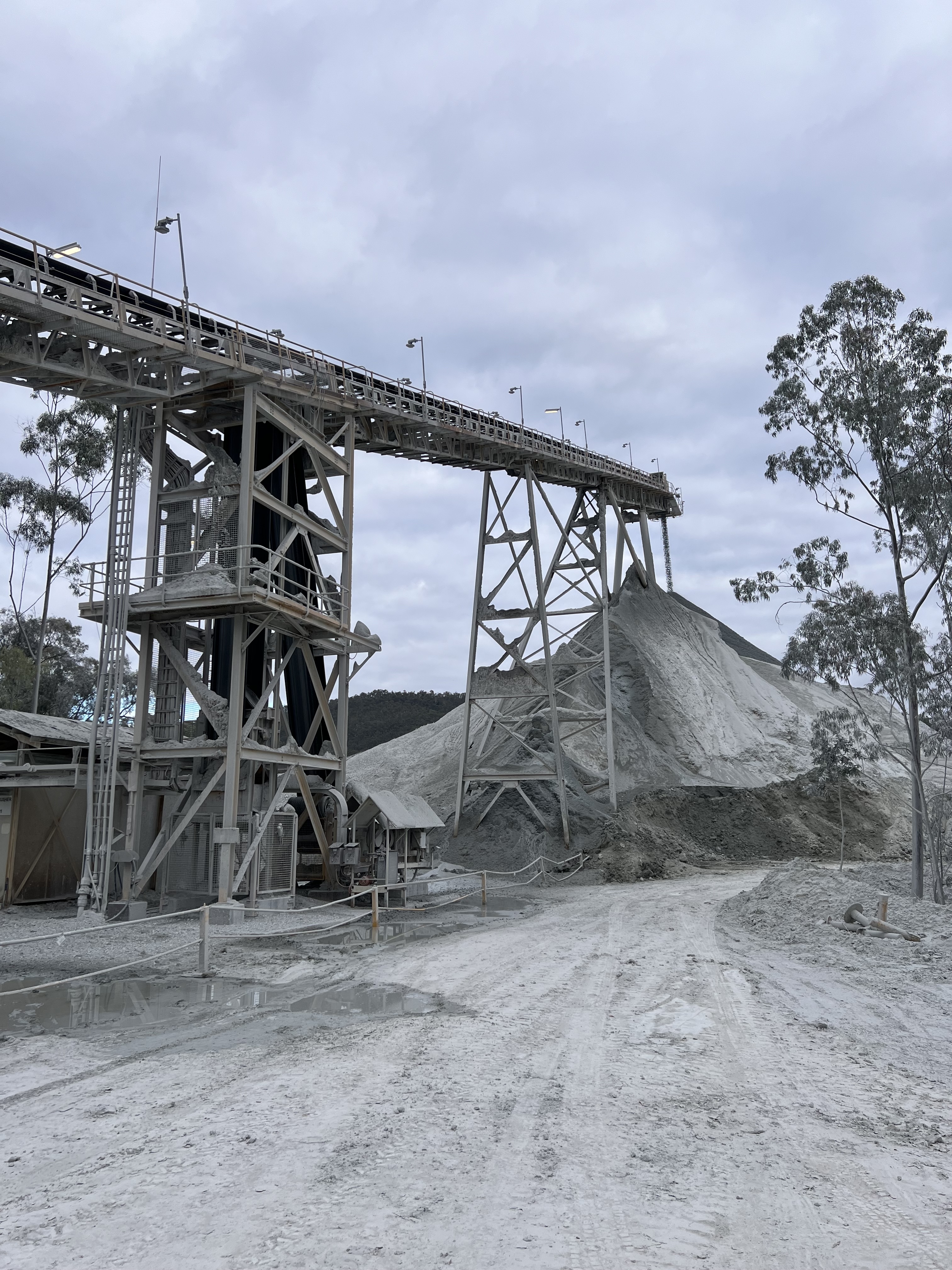
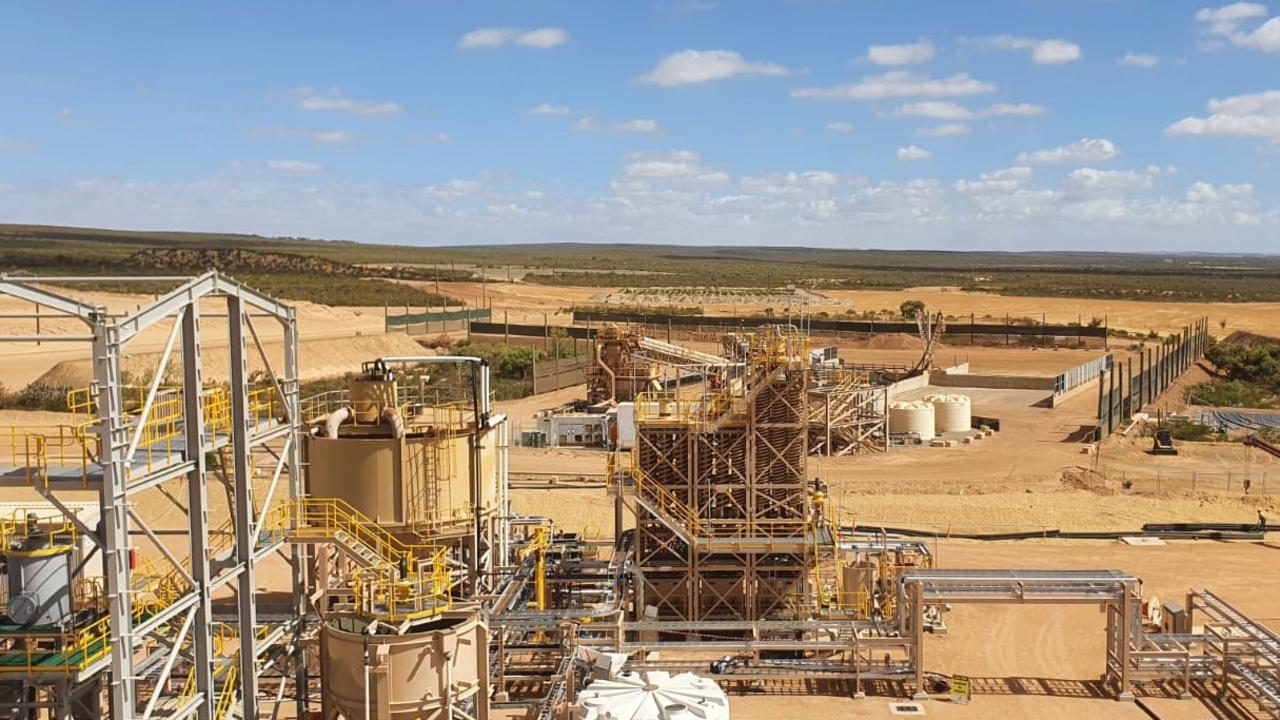
For mining and heavy industry, geotechnical input is equally critical: conveyor and equipment foundations, silos and bins, pipe racks, workshops, ROM pads and port structures all depend on reliable subsurface characterisation. Nunese integrates geotechnical recommendations with structural and civil design so investigation findings flow directly into certified drawings and specifications.
When do you need soil testing and site investigation?

Soil testing and geotechnical investigation should be completed before you finalise structural design or commence significant earthworks. Regulatory and certification pathways in New South Wales and across Australia expect site-specific geotechnical data for new buildings, extensions and many civil works — not generic assumptions from adjacent lots.

You will typically need an investigation when:

  • Starting a new building, warehouse, plant module or infrastructure asset
  • Extending or altering an existing structure where foundation capacity is uncertain
  • Planning bulk earthworks, cut-and-fill, or site regrading
  • Designing retaining walls, basements, swimming pools or deep footings
  • Assessing slope stability, embankments or dam-related civil works
  • Investigating settlement, cracking or foundation distress on operating assets
  • Supporting feasibility studies with order-of-magnitude foundation and earthworks risk

What our geotechnical investigations include

Our scope is tailored to project stage, structure type and regulatory requirements. A typical programme may include the following elements, scaled to your site:

  • Desktop study — review of geological setting, published mapping, aerial imagery and prior investigations on or near the site
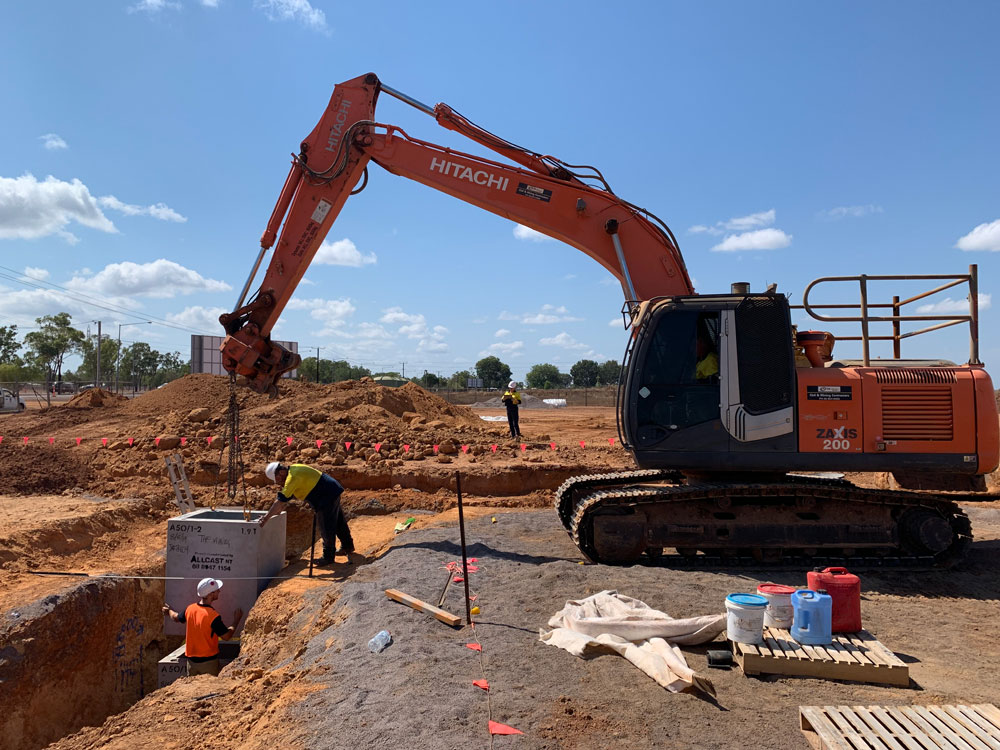
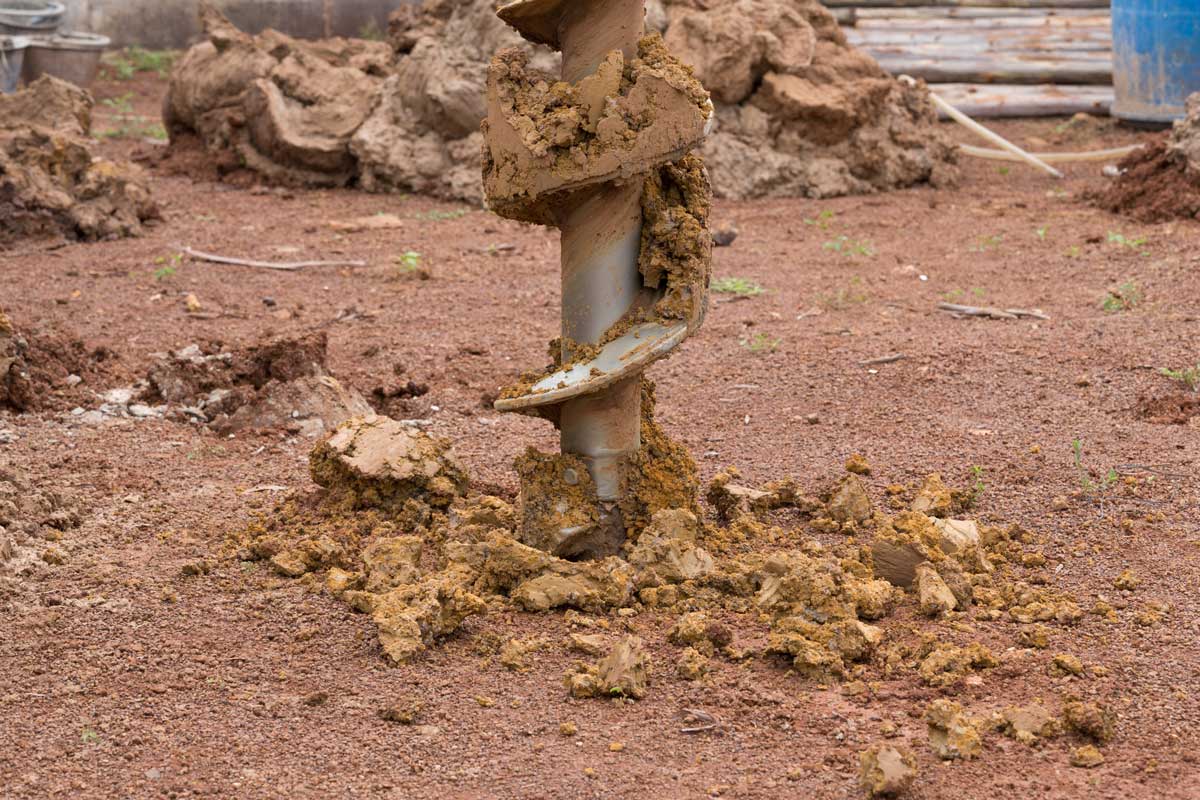
  • Field investigation — borehole drilling (e.g. auger or rotary methods), test pits, dynamic cone penetrometer (DCP) or hand auger tests as appropriate
  • Sampling — disturbed samples for classification and laboratory testing; undisturbed tube samples where in-situ strength and compressibility parameters are required
  • Groundwater — observation of water levels during drilling and, where needed, monitoring to inform footing design and dewatering
  • Laboratory testing — soil classification, moisture content, plasticity, salinity, permeability, acid sulfate soils (ASS) screening and other tests matched to design needs
  • Site classification — AS 2870 classification of expected reactive soil movement (Classes A, S, M, H1, H2, E and P) for building foundation design
  • Engineering interpretation — foundation recommendations (slab-on-ground, stiffened rafts, piers, piles), allowable bearing pressures, settlement guidance and slope stability notes
  • Reporting — geotechnical investigation report suitable for certifiers, councils and structural/civil design teams

Site classification and foundation design (AS 2870)

For buildings and structures subject to AS 2870, site classification quantifies the expected ground surface movement due to moisture changes in reactive soils. This directly influences footing system selection — from simple footings on Class A sites through to deepened or stiffened systems on highly reactive Class H or Class E sites.

Site classification is not a generic desktop label; it is based on investigation and testing of your lot. We coordinate testing and classify sites as:

  • Class A — little or no ground movement (e.g. rock, sand with little clay)
  • Class S — slightly reactive clay sites with only slight movement
  • Class M — moderately reactive clay sites
  • Class H1 / H2 — highly reactive clay sites with increasingly severe expected movement
  • Class E — extremely reactive sites
  • Class P — sites with abnormal moisture conditions, soft soils, fill, mine subsidence, landslip or other issues requiring special study

Foundation recommendations, slopes and groundwater

Foundation recommendations translate investigation data into practical design input: footing type and depth, slab stiffness requirements, pier or pile needs, pavement subgrade preparation, and construction notes for excavations near existing assets. We work with structural engineers to align geotechnical parameters with analysis models and detail drawings.

Slope stability assessment supports cut slopes, embankments, retaining walls and dam-related civil works. Where groundwater is encountered, we identify implications for footing construction, seepage, and long-term performance — particularly important for industrial sites with bulk earthworks or below-grade structures.

On operating mine and port sites, investigations are planned around production constraints, access and safety. We specify investigation locations to match structural layouts and coordinate with drilling contractors so boreholes, pits and monitoring points are restored and documented in line with site requirements.

How Nunese delivers geotechnical coordination

Nunese is a civil and structural consultancy. We do not operate drilling rigs on site; instead, we define the investigation scope, supervise coordination with accredited geotechnical drilling contractors, and interpret results for your project team. This model keeps a single engineering thread from investigation brief through to foundation details on structural drawings.

Our process: (1) agree investigation objectives with you and the structural scope; (2) prepare a brief aligned to Australian Standards and project stage; (3) coordinate field work and laboratory testing; (4) interpret results and issue foundation and earthworks recommendations; (5) support detailed design, certification and construction-phase queries. Prior investigations on nearby projects are used wherever appropriate to optimise scope and cost during early studies.

Lifecycle

Where this service fits

Engage geotechnical investigations during pre-feasibility and feasibility to inform layout and CAPEX, and again at detailed design before foundations and bulk earthworks are finalised. On brownfield sites, targeted investigations support upgrades, pools, retaining walls and remedial works.

ConceptPFSFSDetailedDelivery5 Phases ofProject LifecycleSupport
01

Concept

Concept & opportunity

Early scoping, options assessment and risk identification to align technical scope with business drivers before major study spend.

Key deliverables

  • 1Option studies
  • 2Basis of design
  • 3Risk registers
5 lifecycle stagesConcept → PFS → FS → Detailed design → Delivery support

Sectors

Industries we apply this to

Coal & metals miningMineral sands & processing plantsPorts & coal terminalsAlumina, refineries & steelIndustrial & commercial structuresCivil infrastructure & dams

View all industry sectors including coal mining, mineral sands, ports, refineries and civil infrastructure.

Common questions

Field drilling and sampling are carried out by specialist geotechnical contractors under our investigation brief. We specify borehole locations, depths, sampling and in-situ tests, review logs and test results, and prepare the engineering interpretation and report.

Disturbed samples (e.g. from auger drilling) are suitable for soil classification, moisture content and colour logging but do not preserve in-situ structure. Undisturbed thin-wall tube samples maintain the soil fabric so laboratory tests can measure strength, compressibility and permeability representative of ground conditions — important for critical foundations and slope analyses.

Mine sites, ports and processing plants require foundations and earthworks designed for actual subsurface conditions — variable fill, soft alluvium, rockhead depth and groundwater. Investigations de-risk CAPEX estimates at feasibility stage and prevent costly redesign during detailed design and construction.

Investigations should be substantially complete before finalising footing and slab design. For greenfield projects, preliminary boreholes during feasibility inform layout; confirmatory holes at detailed design verify the design basis. Brownfield upgrades may need targeted holes only where new loads or excavations apply.

Yes. Our geotechnical investigation reports are prepared for use by structural engineers, certifiers and approval authorities, including site classification, foundation recommendations and relevant construction notes for your jurisdiction.

Where desktop studies or site history indicate potential issues, we include appropriate sampling and laboratory testing — for example acid sulfate soil assessment, salinity, or permeability / hydraulic conductivity — and advise on management measures in the report.

Australia-wide

Engineering services by state and territory

Location-specific civil and structural engineering for mining, ports, refineries and heavy industry — tailored to each Australian jurisdiction.