Researchers have developed a new framework to transform one of the world’s largest waste streams into a valuable resource for the construction industry.
From tailings storage to circular use
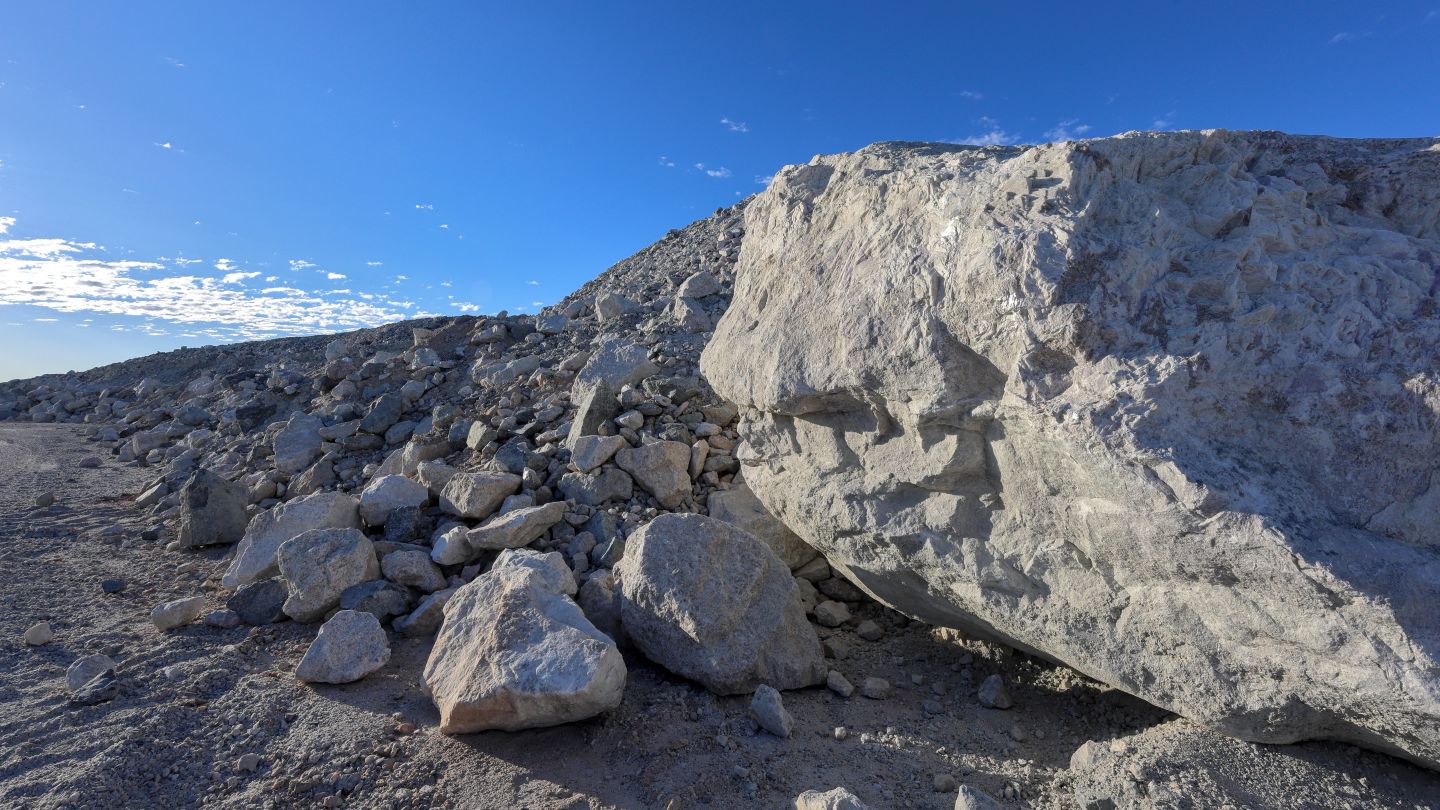
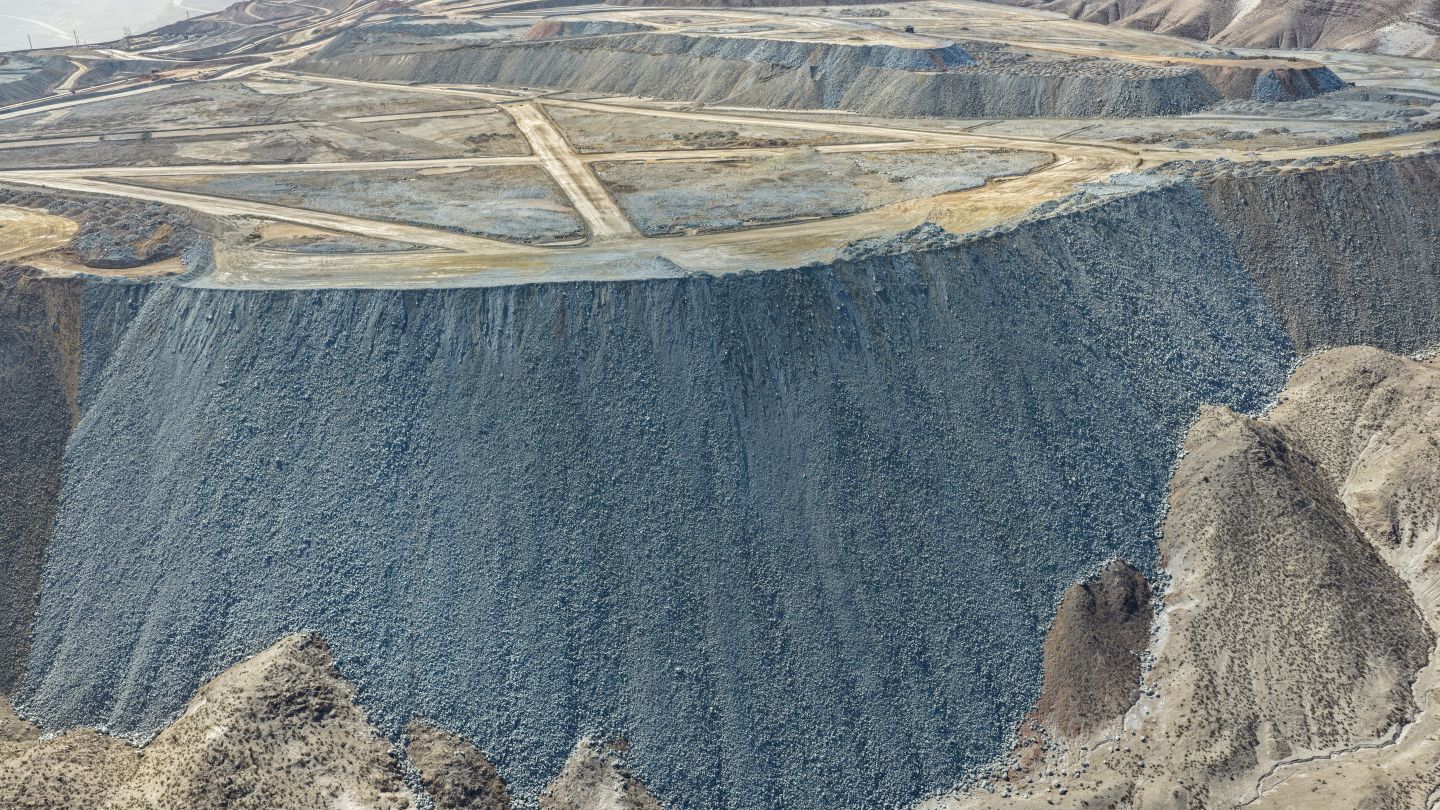
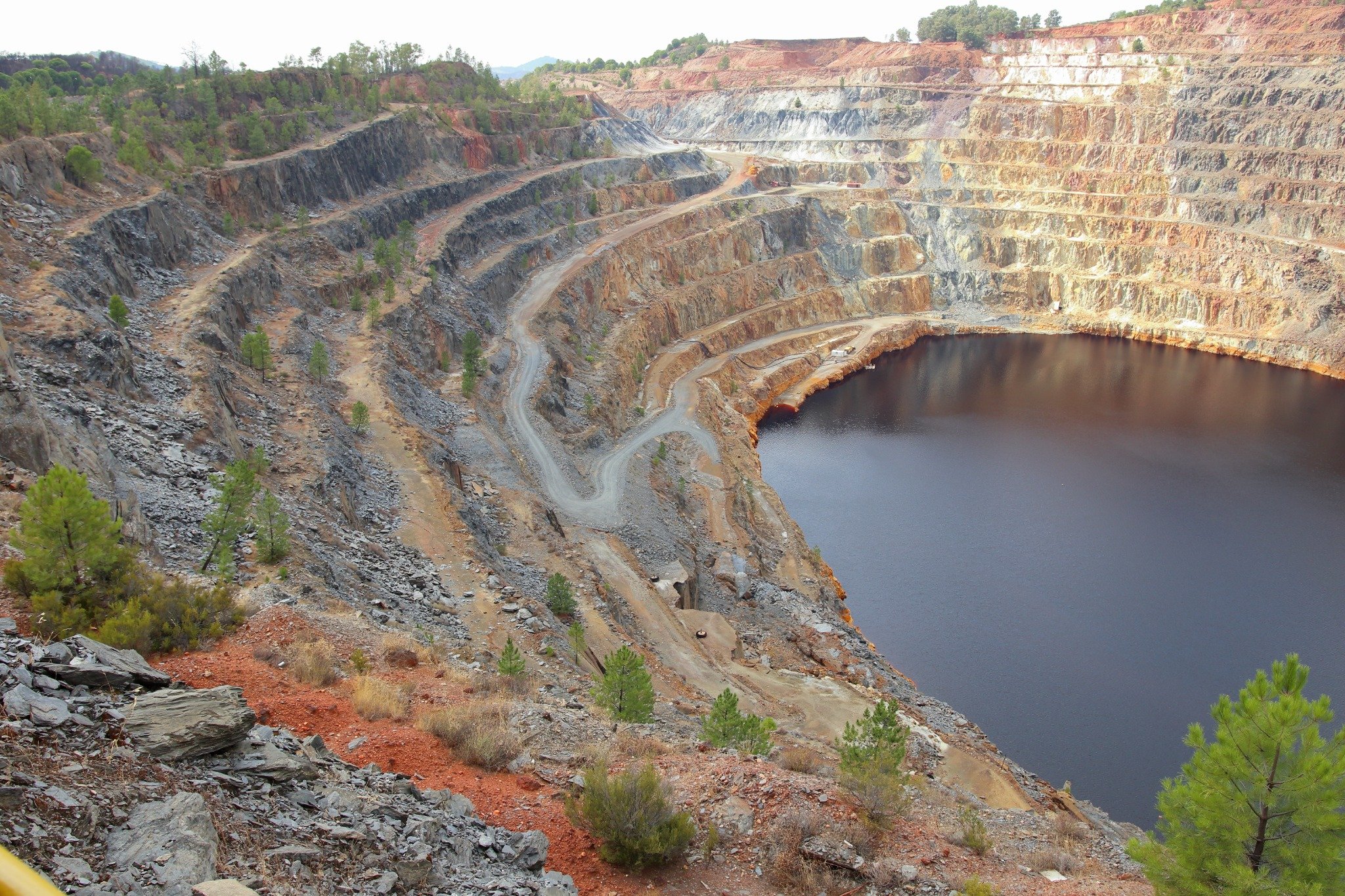
Mine tailings — leftover material from mining — are produced in large quantities every year and are often stored in facilities with limited long-term use. Globally, they represent the largest industrial waste stream and can pose environmental risks, including water contamination and long-term ecosystem damage.
Dr Ceren Ince from Heriot-Watt University in Edinburgh developed a way to assess and repurpose these materials, bridging the gap between the mining and construction sectors. The mineral-based framework enables mine operators to analyse waste and identify how it could be reused as a component in cement and other construction materials.
Mining produces enormous volumes of waste, but much of that material still contains useful components. Our framework provides a structured method to unlock that potential consistently and reliably. Rather than being tailored to a specific site or mineral, the system offers a general method for categorising tailings and linking them to sustainable treatment approaches.
Ince and colleagues conducted a large-scale analysis of more than 5,000 studies on mine tailings and other mineral waste, capturing variation in materials produced worldwide.
We use a material’s mineral composition, its fingerprint, as the starting point for decision making. The fingerprint tells us how the tailings are likely to behave when processed, and whether they can be transformed into a cement-like material.
The mining and construction sectors are both under pressure to reduce environmental impact. Cement production is responsible for around 8% of global carbon emissions, while demand for critical minerals is expected to increase as countries move towards net zero.
This creates an opportunity to rethink mine waste: instead of indefinite storage, tailings can become part of a circular system where materials are reused and given a second life.
Source: Engineer Live (https://www.engineerlive.com/content/turning-mining-waste-low-carbon-building-material). Republished for industry awareness.